
Fitness degree programs in exercise science, kinesiology, and athletic training aren’t required to become a personal trainer, but accreditation matters as you aim higher. New students entering CAATE-accredited professional athletic training programs now start at the master’s level. ACSM-EP and ACSM-CEP link degrees awarded from August 2027 to CAAHEP, and the CSCS links degrees to CASCE from 2036.
No state licenses personal trainers, and a college degree isn’t required. Many employers look for a certification, and hiring rules vary by facility, according to the Bureau of Labor Statistics. A degree starts to matter when you want a credential that now asks for one, or a job in athletic training, clinical exercise, or college strength and conditioning. Here’s how accreditation works on each of those paths, then our directory, organized by state.
How Accreditation Works for Fitness Degree Programs
Two kinds of accreditation get mixed up. A college can be accredited as a whole while a specific degree it offers is not. Programmatic accreditation evaluates specific programs within a school, and that’s the kind the credential changes below care about. We haven’t verified programmatic accreditation for every listing. An unlabeled listing isn’t confirmed either way.
| Your Goal | What to Look For | Accreditor to Check |
|---|---|---|
| Personal trainer at a gym | A certification from an NCCA-accredited certification program. A degree is optional | NCCA (certification programs, not degrees) |
| ACSM-EP or ACSM-CEP exam | For degrees awarded on or after August 15, 2027: a CAAHEP-accredited exercise science or exercise physiology program, or one that has formally started the CAAHEP/CoAES process through an inquiry or Request for Accreditation Services | CAAHEP, through its CoAES committee |
| Athletic trainer | New students entering CAATE-accredited professional programs now start at the master’s level. Then the BOC exam and your state’s rules | CAATE |
| CSCS exam from 2036 | A bachelor’s or higher related to strength and conditioning from a CASCE-accredited program, or a CASCE-accredited post-baccalaureate certificate for related health degrees | CASCE |
Exercise Science and Exercise Physiology: CAAHEP
The Commission on Accreditation of Allied Health Education Programs (CAAHEP) accredits programs through its Committee on Accreditation for the Exercise Sciences (CoAES). The CoAES reviews exercise science, exercise physiology, and personal fitness training programs. To find accredited exercise science programs, search CAAHEP’s program directory.
Here’s the recent change. The American College of Sports Medicine (ACSM) updated its eligibility page (revised February 6, 2026). For degrees awarded on or after August 15, 2027, candidates for the ACSM Certified Exercise Physiologist (ACSM-EP) and ACSM Certified Clinical Exercise Physiologist (ACSM-CEP) must graduate from a CAAHEP-accredited exercise science or exercise physiology program. A program that has formally started the CAAHEP/CoAES process, through an inquiry or a Request for Accreditation Services, also counts. That doesn’t make the program accredited.
From the same date, both credentials also require a current standard first aid certification at the time of application. That’s on top of the CPR requirement: adult CPR/AED with a live, in-person skills assessment for the ACSM-EP, and Basic Life Support (BLS), Advanced Cardiac Life Support (ACLS), or CPR for the Professional Rescuer for the ACSM-CEP. This is not a full list of exam eligibility rules.
If a school says its program is “working toward” CAAHEP accreditation, ask whether it has filed that inquiry or request. That’s the line ACSM draws.
Athletic Training: CAATE and the BOC
Athletic training is a state-regulated health care profession in most states, and it isn’t personal training. The Commission on Accreditation of Athletic Training Education (CAATE) accredits the programs. According to CAATE, bachelor’s programs in athletic training stopped enrolling students after the fall 2022 term, so new students entering CAATE-accredited professional programs now start at the master’s level. That’s why the state lists below show no standalone bachelor’s in athletic training. A few schools list a combined bachelor’s/master’s pathway instead.
Students in a CAATE-accredited program can sit for the Board of Certification (BOC) exam in their final semester or quarter, once the program director confirms eligibility. To earn the credential, the BOC requires completing the CAATE-accredited program and passing the exam. The BOC also lists a separate International Arrangement pathway.
Then the state steps in. The BOC reports that 49 states and the District of Columbia regulate the practice of athletic training, and that California and Hawaii don’t have athletic trainer licensure. Hawaii still regulates athletic trainers through registration with the Department of Commerce and Consumer Affairs under Act 198, SLH 2012. Check the CAATE directory for a program’s current status.
Strength and Conditioning: CASCE and the CSCS
Thinking about a strength and conditioning degree? Check whether the program is accredited by the Council on Accreditation of Strength and Conditioning Education (CASCE). The National Strength and Conditioning Association (NSCA) has moved its original 2030 target to 2036. Starting in 2036, candidates for the NSCA Certified Strength and Conditioning Specialist (CSCS) exam must hold a bachelor’s degree or higher related to strength and conditioning from a CASCE-accredited program.
Candidates with related health degrees may instead meet the requirement through a CASCE-accredited post-baccalaureate certificate. Until 2036, the current CSCS degree requirement stays in place.
Certifications: NCCA
The National Commission for Certifying Agencies (NCCA) accredits certification programs, not college degrees. It’s the accreditation to check on a personal trainer certification, and you can look up whether a credential comes from an NCCA-accredited certification program in the ICE program directory. A degree can prepare you for a certification exam, but NCCA doesn’t accredit the degree itself.
How to Use These State Lists
We started this directory in 2015, and programs have opened, closed, and changed names since. In November 2026 we removed closed schools, duplicate entries, broken links, and bachelor’s degrees in athletic training. Treat a listing as a lead, not a confirmation.
We label a program CAAHEP, CAATE, or CASCE accredited only when that accreditor’s directory or the program’s own page says so. We haven’t checked every remaining listing against the school’s current page, so confirm the degree name, campus, and accreditation on the school’s site and the accreditor’s directory before you apply.
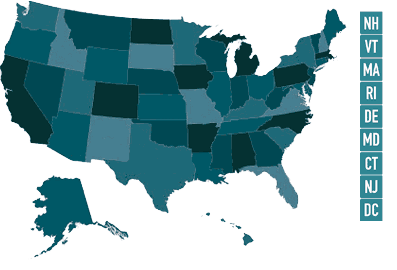
View Fitness Degree Programs by State
- Alabama
- Alaska
- Arizona
- Arkansas
- California
- Colorado
- Connecticut
- Delaware
- District of Columbia
- Florida
- Georgia
- Hawaii
- Idaho
- Illinois
- Indiana
- Iowa
- Kansas
- Kentucky
- Louisiana
- Maine
- Maryland
- Massachusetts
- Michigan
- Minnesota
- Mississippi
- Missouri
- Montana
- Nebraska
- Nevada
- New Hampshire
- New Jersey
- New Mexico
- New York
- North Carolina
- North Dakota
- Ohio
- Oklahoma
- Oregon
- Pennsylvania
- Rhode Island
- South Carolina
- South Dakota
- Tennessee
- Texas
- Utah
- Vermont
- Virginia
- Washington
- West Virginia
- Wisconsin
- Wyoming
Alabama
Bachelor’s
- Samford University: Bachelor of Science in Exercise Science (Pre-Physical Therapy)
- Samford University: Bachelor of Science in Sport Administration
- University of Alabama: Bachelor of Science in Kinesiology (Exercise Science concentration)
- University of West Alabama: Bachelor of Science in Exercise Science
Alaska
We don’t list a program in Alaska right now. Search the CAAHEP program directory for exercise science and the CAATE directory for athletic training, then confirm the details on the school’s own page.
Arizona
Bachelor’s
- Grand Canyon University: Bachelor of Science in Exercise Science
Master’s
- A.T. Still University: Master of Science in Kinesiology
Arkansas
Bachelor’s
- Harding University: Bachelor of Science in Exercise Science
- Henderson State University: Bachelor of Science in Recreation (Sport Management)
- Southern Arkansas University: Bachelor of Science in Exercise Science
- University of Arkansas: Bachelor of Science in Kinesiology
- University of Central Arkansas: Bachelor of Science in Kinesiology
Master’s
- Southern Arkansas University: Master of Science in Kinesiology (Coaching)
- University of Arkansas: Master of Athletic Training
- University of Arkansas: Master of Science in Kinesiology
- University of Central Arkansas: Master of Science in Kinesiology
Doctoral
- University of Arkansas: Doctor of Philosophy in Kinesiology
California
Bachelor’s
- California Baptist University: Bachelor of Science in Kinesiology
- California Baptist University: Bachelor of Science in Exercise Science
- California State University, Fresno: Bachelor of Science in Exercise Science
Master’s
- Azusa Pacific University: Master of Science in Athletic Training
- California Baptist University: Master of Science in Athletic Training
- California Baptist University: Master of Science in Kinesiology
Colorado
We don’t list a program in Colorado right now. Search the CAAHEP program directory for exercise science and the CAATE directory for athletic training, then confirm the details on the school’s own page.
Connecticut
Bachelor’s
- University of Connecticut: Bachelor of Science in Exercise Science
Master’s
- University of Connecticut: Master of Science in Exercise Science
Doctoral
- University of Connecticut: PhD in Exercise Science
Delaware
We don’t list a program in Delaware right now. Search the CAAHEP program directory for exercise science and the CAATE directory for athletic training, then confirm the details on the school’s own page.
District of Columbia
We don’t list a program in the District of Columbia right now. Search the CAAHEP program directory for exercise science and the CAATE directory for athletic training, then confirm the details on the school’s own page.
Florida
Bachelor’s
- Florida Gulf Coast University: Bachelor of Science in Exercise Science
- University of Florida: Bachelor of Science in Applied Physiology and Kinesiology
- University of Miami: Bachelor of Science in Education, Exercise Physiology
- University of North Florida: Bachelor of Science in Health, Exercise Science track
Master’s
- Florida International University: Master of Science in Athletic Training
- University of Florida: Master of Science in Athletic Training
- University of Florida: Master of Science in Clinical Exercise Physiology
- University of Florida: Master of Science in Exercise Physiology
- University of North Florida: Master of Science in Health (Exercise Science and Chronic Disease)
- University of South Florida: Master of Science in Athletic Training
- University of Tampa: Master of Science in Athletic Training
- University of West Florida: Master of Science in Exercise Science
Georgia
Bachelor’s
- Valdosta State University: Bachelor of Science in Exercise Physiology
- Georgia State University: Bachelor of Science in Exercise Science
- Life University: Bachelor of Science in Exercise Science
- University of Georgia: Bachelor of Science in Education, Exercise and Sports Science
Master’s
- Georgia State University: Master of Science in Exercise Science
- Life University: Master of Athletic Training
Hawaii
Bachelor’s
- University of Hawaii at Manoa: Bachelor of Science in Kinesiology and Rehabilitative Science
Master’s
- University of Hawaii at Manoa: Master of Science in Athletic Training
Idaho
Bachelor’s
- Boise State University: Bachelor of Science in Kinesiology (biomechanics or exercise science emphasis)
Master’s
- Idaho State University: Master of Science in Athletic Training
Illinois
Bachelor’s
- Eastern Illinois University: Bachelor of Science in Exercise Science
- Illinois State University: Bachelor of Science in Exercise Science
- Southern Illinois University Edwardsville: Bachelor of Science in Exercise Science
- Northern Illinois University: Bachelor of Science in Kinesiology
- Olivet Nazarene University: Bachelor of Science in Exercise Science
Master’s
- North Park University: Master of Science in Athletic Training
- Northern Illinois University: Master of Science in Education (Kinesiology and Physical Education)
- Illinois State University: Master of Science in Athletic Training
- Illinois State University: Master of Science in Exercise Physiology
Indiana
Bachelor’s
- Anderson University: Bachelor of Science in Exercise Science
- Ball State University: Bachelor of Science in Exercise Science
- Franklin College: Bachelor of Science in Exercise Science
- Indiana State University: Bachelor of Science in Exercise Science
- Indiana University: Bachelor of Science in Exercise Science
- Indiana Wesleyan University: Bachelor of Science in Exercise Science
- Manchester University: Bachelor of Science in Exercise Science and Fitness
- University of Evansville: Bachelor of Science in Exercise and Sports Science
- University of Indianapolis: Bachelor of Science in Exercise Science
Master’s
- Ball State University: Master of Science in Exercise Physiology
- Franklin College: Master of Science in Athletic Training
- Indiana State University: Master of Science in Exercise Science
- Manchester University: Master of Athletic Training
- Ball State University: Master of Science in Exercise Science
Iowa
Bachelor’s
- Iowa State University: Bachelor of Science in Kinesiology and Health
- Northwestern College: Bachelor of Science in Exercise Science
- Simpson College: Bachelor of Science in Exercise Science
Master’s
- Loras College: Master of Athletic Training
- Iowa State University: Master of Science in Kinesiology
Doctoral
- Iowa State University: PhD in Kinesiology
Kansas
Bachelor’s
- Benedictine College: Bachelor of Science in Exercise Science
Kentucky
Bachelor’s
- Georgetown College: Bachelor of Science in Exercise Science
Master’s
- University of Kentucky: Master of Science in Exercise Physiology
Doctoral
- University of Kentucky: PhD in Exercise Science
Louisiana
Bachelor’s
- University of Louisiana at Monroe: Bachelor of Science in Exercise Science
- Louisiana State University: Bachelor of Science in Kinesiology
- McNeese State University: Bachelor of Science in Exercise Science
- Nicholls State University: Bachelor of Science in Health Sciences, Exercise Science
- University of Louisiana at Lafayette: Bachelor of Science in Exercise Science
Master’s
- University of Louisiana at Monroe: Master of Science in Exercise Science (clinical or applied exercise physiology)
- University of Louisiana at Lafayette: Master of Science in Exercise and Sports Science
Maine
Bachelor’s
- University of New England: Bachelor of Applied Exercise Science
- University of Southern Maine: Bachelor of Science in Exercise Science
Master’s
- University of Maine, Orono: Master of Science or Master of Education in Kinesiology and Physical Education
Maryland
Bachelor’s
- Salisbury University: Bachelor of Science in Exercise Science
- Towson University: Bachelor of Arts/Bachelor of Science in Exercise Science
Massachusetts
Bachelor’s
- Lasell University: Bachelor of Science in Exercise Science
- Springfield College: Bachelor of Science in Applied Exercise Science
- Boston University: Bachelor of Science in Human Physiology
- Bridgewater State University: Bachelor of Science in Physical Education, Exercise Science/Health Fitness concentration
- Endicott College: Exercise Science/Pre-Professional Athletic Training 3+2 (combined bachelor’s/master’s pathway)
- Endicott College: Bachelor of Science in Exercise Science
- Merrimack College: Bachelor of Science in Exercise Science
Master’s
- Boston University: Master of Science in Human Physiology
- Merrimack College: Master of Science in Exercise and Sports Science
- Springfield College: Master of Science in Athletic Training
- Springfield College: Master of Science in Exercise Physiology
Doctoral
- Boston University: PhD in Human Physiology
Michigan
Bachelor’s
- Albion College: Bachelor of Science in Exercise Science
- Alma College: Bachelor of Science in Integrated Physiology and Health Science, Clinical Exercise Physiology
- Eastern Michigan University: Bachelor of Arts/Bachelor of Science in Exercise Science
- Hope College: Bachelor of Science in Exercise Science
- Saginaw Valley State University: Bachelor of Science in Exercise Science
- Western Michigan University: Bachelor of Science in Exercise Science
Master’s
- Michigan State University: Master of Science in Athletic Training (CAATE accredited)
- Northern Michigan University: Master of Science in Athletic Training (CAATE accredited)
- Eastern Michigan University: Master of Science in Exercise Physiology
Doctoral
- University of Michigan: PhD in Kinesiology
Minnesota
Bachelor’s
- St. Catherine University: Bachelor of Science in Exercise Sport Science
- St. Catherine University: Bachelor of Science in Exercise Science and Nutrition
- Minnesota State University, Mankato: Bachelor of Science in Exercise Science
- The College of St. Scholastica: Bachelor of Science in Exercise Physiology
Mississippi
Bachelor’s
- University of Southern Mississippi: Bachelor of Science in Kinesiology
Master’s
- University of Southern Mississippi: Master of Science in Kinesiology, Exercise Science
Missouri
Bachelor’s
- Missouri Baptist University: Bachelor of Science in Exercise Science
- Central Methodist University: Bachelor of Arts/Bachelor of Science in Exercise Science
- Lindenwood University: Bachelor of Science in Exercise Science
- Missouri Valley College: Bachelor of Science in Exercise Science
- Southwest Baptist University: Bachelor of Science in Exercise Science
- Truman State University: Bachelor of Science in Exercise Science
- William Woods University: Bachelor of Science in Exercise Science
Master’s
- Saint Louis University: Master of Athletic Training
Montana
Master’s
- University of Montana: Master of Science in Athletic Training
Nebraska
Bachelor’s
- University of Nebraska, Kearney: Bachelor of Science in Exercise Science
- University of Nebraska, Lincoln: Bachelor of Science in Nutrition, Exercise, and Health Science
Master’s
- University of Nebraska, Lincoln: Master of Science in Exercise Physiology and Nutrition
- University of Nebraska, Omaha: Master of Science in Athletic Training
Doctoral
- University of Nebraska, Omaha: Doctoral Degree in Biomechanics and Kinesiology
- University of Nebraska, Lincoln: PhD in Exercise Physiology and Nutrition
Nevada
Bachelor’s
- University of Nevada, Las Vegas: Bachelor of Science in Kinesiology
Master’s
- University of Nevada, Las Vegas: Master of Science in Exercise Physiology
- University of Nevada, Las Vegas: Master of Science in Kinesiology
Doctoral
- University of Nevada, Las Vegas: PhD in Kinesiology
New Hampshire
Bachelor’s
- Colby-Sawyer College: Bachelor of Science in Exercise Science
- Keene State College: Bachelor of Science in Physical Education, Exercise Science
- University of New Hampshire: Bachelor of Science in Exercise Science
Master’s
- University of New Hampshire: Master of Science in Kinesiology, Exercise Science concentration
- Plymouth State University: Master of Science in Athletic Training
New Jersey
Bachelor’s
- William Paterson University: Bachelor of Science in Exercise Science
- Montclair State University: Bachelor of Science in Exercise Science
Master’s
- Montclair State University: Master of Arts in Exercise Science and Physical Education
- Seton Hall University: Master of Science in Athletic Training
- William Paterson University: Master of Science in Exercise and Sports Studies: Exercise Physiology
New Mexico
We don’t list a program in New Mexico right now. Search the CAAHEP program directory for exercise science and the CAATE directory for athletic training, then confirm the details on the school’s own page.
New York
Bachelor’s
- Ithaca College: Bachelor of Science in Exercise Science
- SUNY Brockport: Bachelor of Science in Exercise Science
- SUNY Brockport: Bachelor of Science in Kinesiology
- SUNY Cortland: Bachelor of Science in Exercise Science
Master’s
- Hofstra University: Master of Science in Sports Science
- Daemen University: Master of Science in Athletic Training
- Brooklyn College (CUNY): Master of Science in Exercise and Sports Science
- SUNY Cortland: Master of Science in Exercise Science
North Carolina
Bachelor’s
- Appalachian State University: Bachelor of Science in Exercise Science
- Campbell University: Bachelor of Science in Exercise and Sports Science
- Campbell University: Bachelor of Science in Kinesiology
- Catawba College: Bachelor of Science in Exercise Science
- East Carolina University: Bachelor of Science in Exercise Physiology
- Gardner-Webb University: Bachelor of Science in Exercise Science
- Greensboro College: Bachelor of Science in Exercise and Sports Studies
- High Point University: Bachelor of Science in Exercise Science
- Lenoir-Rhyne University: Bachelor of Science in Exercise Science
- Methodist University: Bachelor of Science in Exercise and Sports Science
- Methodist University: Bachelor of Science in Kinesiology
- University of North Carolina, Charlotte: Bachelor of Science in Exercise Science
Master’s
- University of North Carolina, Charlotte: Master of Science in Kinesiology
- University of North Carolina, Chapel Hill: Master of Arts in Exercise Physiology
- Lenoir-Rhyne University: Master of Science in Athletic Training
- High Point University: Master of Science in Athletic Training
- Appalachian State University: Master of Science in Exercise Science
North Dakota
Bachelor’s
- North Dakota State University: Bachelor of Science in Exercise Science
- University of Mary: Bachelor of Science in Exercise Science
Master’s
- North Dakota State University: Master of Athletic Training
Doctoral
- North Dakota State University: PhD in Exercise Science and Nutrition
Ohio
Bachelor’s
- Kent State University: Bachelor of Science in Exercise Science
- Ohio Northern University: Bachelor of Science in Exercise Physiology
- Ohio University: Bachelor of Science in Exercise Physiology
- Shawnee State University: Bachelor of Science in Exercise Science
- University of Akron: Bachelor of Science in Exercise Science
- University of Mount Union: Bachelor of Science in Exercise Science
- University of Toledo: Bachelor of Science in Exercise Science
- Wilmington College: Bachelor of Science in Exercise Science
Master’s
- Ohio University: Master of Science in Athletic Training
- Ohio University: Master of Science in Exercise Physiology
- Kent State University: Master of Science in Exercise Physiology
Doctoral
- Kent State University: PhD in Exercise Physiology
Oklahoma
Bachelor’s
- East Central University: Bachelor of Science in Kinesiology, Exercise Science concentration
- Southern Nazarene University: Bachelor of Science in Exercise Science
- Southwestern Oklahoma State University: Bachelor of Science in Exercise Science
- University of Central Oklahoma: Bachelor of Science in Kinesiology
- University of Tulsa: Bachelor of Science in Exercise and Sports Science
Oregon
Bachelor’s
- George Fox University: Bachelor of Science in Exercise Science
- Oregon State University: Bachelor of Science in Kinesiology
- Pacific University: Bachelor of Science in Exercise Science
Pennsylvania
Bachelor’s
- Commonwealth University of Pennsylvania (Bloomsburg): Bachelor of Science in Exercise Science
- Eastern University: Bachelor of Science in Exercise Science
- Immaculata University: Bachelor of Science in Exercise Science (movement science or sport management track)
- King’s College: Bachelor of Science in Exercise Science
- Mercyhurst University: Bachelor of Science in Exercise Science
- Pennsylvania State University: Bachelor of Science in Kinesiology (Exercise Science option)
- University of Pittsburgh: Bachelor of Science in Exercise Science
- Waynesburg University: Bachelor of Science in Exercise Science
- West Chester University of Pennsylvania: Bachelor of Science in Health and Physical Education
- West Chester University of Pennsylvania: Bachelor of Science in Exercise Science
Rhode Island
We don’t list a program in Rhode Island right now. Search the CAAHEP program directory for exercise science and the CAATE directory for athletic training, then confirm the details on the school’s own page.
South Carolina
Bachelor’s
- Charleston Southern University: Bachelor of Science in Kinesiology
- College of Charleston: Bachelor of Science in Exercise Science
- Lander University: Bachelor of Science in Exercise Science
South Dakota
Bachelor’s
- Dakota Wesleyan University: Bachelor of Science in Sport, Exercise, and Wellness
- South Dakota State University: Bachelor of Science in Exercise Science
Master’s
- South Dakota State University: Master of Science in Athletic Training
- South Dakota State University: Master of Science in Nutrition and Exercise Science
Doctoral
- South Dakota State University: PhD in Nutrition and Exercise Science
Tennessee
Bachelor’s
- Middle Tennessee State University: Bachelor of Science in Exercise Science
- Union University: Bachelor of Science in Physical Education, Wellness, and Sport
Master’s
- Cumberland University: Master of Sport and Exercise Science
Texas
Bachelor’s
- Baylor University: Bachelor of Science in Exercise Physiology
- East Texas Baptist University: Bachelor of Science in Kinesiology, Wellness Management
- Midwestern State University: Bachelor of Science in Exercise Physiology
- Texas Lutheran University: Bachelor of Science in Kinesiology
- Texas State University: Bachelor of Science in Exercise and Sports Science
- Texas Wesleyan University: Bachelor of Science in Exercise Science
- University of Texas at Arlington: Bachelor of Science in Exercise Science
- University of Texas, Permian Basin: Bachelor of Science in Kinesiology, Exercise Science
- West Texas A&M University: Bachelor of Arts/Bachelor of Science in Sports and Exercise Science
Master’s
- University of Texas at Arlington: Master of Science in Athletic Training
- Midwestern State University: Master of Science in Exercise Physiology
- University of Texas at Arlington: Master of Science in Exercise Science
- Texas State University: Master of Science in Athletic Training
- Texas State University: Master of Science in Exercise Science
- Texas Christian University: Master of Science in Kinesiology
- University of Texas, Permian Basin: Master of Science in Kinesiology
Utah
Bachelor’s
- Brigham Young University: Bachelor of Science in Exercise and Wellness
- Brigham Young University: Bachelor of Science in Exercise Science
Master’s
- Brigham Young University: Master of Science in Exercise Science
Doctoral
- Brigham Young University: PhD in Exercise Sciences
Vermont
We don’t list a program in Vermont right now. Search the CAAHEP program directory for exercise science and the CAATE directory for athletic training, then confirm the details on the school’s own page.
Virginia
Bachelor’s
- George Mason University: Bachelor of Science in Kinesiology
- Liberty University: Bachelor of Science in Exercise Science
- Longwood University: Bachelor of Science in Exercise Science
- University of Lynchburg: Bachelor of Science in Exercise Physiology
- Old Dominion University: Bachelor of Science in Exercise Science
- Shenandoah University: Bachelor of Science in Exercise Science
- Shenandoah University: Bachelor of Arts in Kinesiology, Health, and Physical Education
Master’s
- James Madison University: Master of Science in Kinesiology, Exercise Physiology
- Liberty University: Master of Science in Exercise Science
Doctoral
- University of Virginia: PhD in Education (Kinesiology, Exercise Physiology)
- University of Virginia: PhD in Education (Kinesiology, Sports Medicine)
Washington
Bachelor’s
- Whitworth University: Bachelor of Arts in Kinesiology
West Virginia
Bachelor’s
- Marshall University: Athletic Training (combined bachelor’s/master’s pathway, B.S. to M.S.)
- Marshall University: Bachelor of Science in Exercise Science
- West Virginia University: Bachelor of Science in Exercise Physiology
Master’s
- West Virginia Wesleyan College: Master of Science in Athletic Training
Wisconsin
Bachelor’s
- Carroll University: Bachelor of Science in Exercise Science
- Marquette University: Bachelor of Science in Exercise Science
- University of Wisconsin-Eau Claire: Bachelor of Arts in Kinesiology
- University of Wisconsin-La Crosse: Bachelor of Science in Exercise and Sports Science, emphasis in Exercise Science
- University of Wisconsin-Milwaukee: Bachelor of Science in Kinesiology
- University of Wisconsin-Oshkosh: Bachelor of Science in Kinesiology
Master’s
- University of Wisconsin-Madison: Master of Science in Kinesiology
- University of Wisconsin-Milwaukee: Master of Science in Kinesiology
- Concordia University Wisconsin: Master of Science in Athletic Training
Wyoming
We don’t list a program in Wyoming right now. Search the CAAHEP program directory for exercise science and the CAATE directory for athletic training, then confirm the details on the school’s own page.
Frequently Asked Questions
Do you need a degree to become a personal trainer?
No. No state licenses personal trainers, and a college degree isn’t required. Many employers look for a certification, and hiring rules vary by facility. A degree in exercise science or kinesiology helps if you want clinical, college, or athletic training work, and some advanced credentials are starting to require an accredited one.
What’s the difference between CAAHEP and CAATE?
CAAHEP accredits exercise science, exercise physiology, and personal fitness training programs through its CoAES committee. CAATE accredits athletic training programs, and students in a CAATE-accredited program can sit for the BOC exam in their final semester or quarter once the program director confirms eligibility. They cover different careers, so check the one that matches your goal.
Can you still get a bachelor’s degree in athletic training?
Not a standalone professional one as a new student. CAATE says bachelor’s programs in athletic training stopped enrolling after the fall 2022 term, and new students entering CAATE-accredited professional programs start at the master’s level. Some schools offer combined bachelor’s/master’s (3+2) pathways that lead into their master’s program.
Will you need an accredited degree for the CSCS exam?
Starting in 2036, yes. From then, CSCS candidates must hold a bachelor’s or higher related to strength and conditioning from a CASCE-accredited program. Candidates with related health degrees may instead qualify through a CASCE-accredited post-baccalaureate certificate. Until then, the current degree requirement stays in place.
Is NCCA accreditation the same as degree accreditation?
No. NCCA accredits certification programs, not college degrees. When you compare personal trainer certifications, check whether each one comes from an NCCA-accredited certification program. For a degree, check CAAHEP, CAATE, or CASCE depending on the career you want.
- A degree is optional for personal training: No state licenses personal trainers, and many employers look for a certification, with hiring rules that vary by facility.
- ACSM changes on August 15, 2027: For degrees awarded on or after that date, ACSM-EP and ACSM-CEP candidates need a CAAHEP-accredited program or one that has formally started the CAAHEP/CoAES process.
- New athletic training students start at the master’s level: CAATE bachelor’s programs stopped enrolling after fall 2022, and students in a CAATE-accredited program can sit for the BOC exam in their final semester or quarter once the program director confirms eligibility.
- CSCS changes in 2036: The NSCA will require a strength and conditioning degree from a CASCE-accredited program, or a CASCE-accredited post-baccalaureate certificate for related health degrees.
- Listed doesn’t mean accredited: Confirm any program in this directory on the school’s site and the accreditor’s directory before you apply.
A degree and a certification solve different problems, and many programs prepare you for one specific exam. The programs that serve your zip code can tell you which credential their coursework targets, how long it takes, and whether you can study online.